In What Way Does Botox Reduce Sweat Gland Activity?
Excessive sweating can be uncomfortable when the body produces more perspiration than necessary for temperature regulation. It may affect the underarms, palms, feet, face, or other localized areas and can interfere with clothing choices, work, social interactions, and everyday confidence. People researching Botox for Sweat Glands in Dubai often want to understand how the treatment actually works and why it can reduce excessive perspiration. Botox does not remove or destroy sweat glands. Instead, it temporarily interrupts the nerve signals that tell targeted sweat glands to produce sweat. This localized mechanism makes it a useful option for suitable individuals dealing with certain forms of focal hyperhidrosis.
Understanding How Sweat Glands Work
The Role of Sweat
Sweating is a natural body function that helps regulate temperature. Eccrine sweat glands receive signals from the nervous system that stimulate them to release sweat.
When Sweating Becomes Excessive
With hyperhidrosis, sweating can occur more intensely than needed for cooling. It may happen even when the surrounding environment is comfortable.
Commonly Affected Areas
Localized excessive sweating frequently affects the underarms, palms, and soles, although other areas can also be involved.
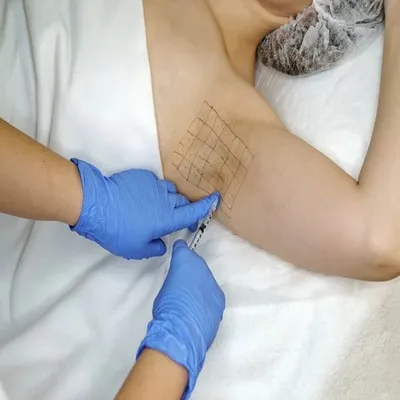
How Botox Acts on Sweat Signals
Targeting the Nerve Connection
Botox is administered into the skin of the selected treatment area. Its active ingredient acts on the nerve endings that communicate with eccrine sweat glands.
Blocking Acetylcholine Release
The key mechanism involves temporarily preventing the release of acetylcholine, a chemical messenger used by the nerves that stimulate eccrine sweat glands. When this signal is interrupted, the glands receive less stimulation to produce sweat.
Reducing Sweat Secretion
As communication between the nerve ending and sweat gland is temporarily blocked, perspiration from the treated area decreases. This mechanism is supported by research into botulinum toxin's effects on cholinergic nerve signaling.Many individuals visit Dynamic Life Clinic in Dubai to discuss excessive sweating, understand available treatment options, and receive personalized recommendations based on the areas affected and their individual concerns.
Why the Treatment Is Localized
Focusing on Specific Areas
Botox is injected into selected areas rather than being administered throughout the entire body.
Preserving Normal Sweating Elsewhere
The objective is not to eliminate normal sweating everywhere. Other untreated sweat glands can continue their usual function.
Treating Different Areas Differently
The injection approach can vary depending on whether the treatment area is the underarm, palm, foot, or another localized region.
Botox for Underarm Sweating
A Common Treatment Area
The underarms are among the most frequently treated areas for excessive sweating.
Reducing Visible Perspiration
Less sweat can mean fewer noticeable marks on clothing and greater comfort during daily activities.
Supporting Everyday Confidence
People who feel self-conscious about underarm perspiration may appreciate improved control during professional or social situations.
Botox for Sweaty Palms
Impact on Hand Activities
Excessive palm sweating can make writing, handling objects, using electronic devices, or shaking hands uncomfortable.
Targeted Sweat Reduction
Botox can temporarily interrupt the nerve signals responsible for sweat production in the treated palm area.
Careful Treatment Planning
Because the hands contain important muscles, nerves, and other structures, treatment should be carefully assessed and administered by an appropriately qualified professional.
Botox for Excessive Foot Sweating
Managing Persistent Moisture
Excessive sweating of the feet can create ongoing dampness and discomfort.
Improving Footwear Comfort
Reducing perspiration may make wearing shoes throughout the day more comfortable for suitable individuals.
Considering Individual Response
The effectiveness and duration of sweat reduction can vary between treatment areas and individuals.
How Long Does the Effect Last?
Temporary Nerve-Signal Blocking
Botox does not permanently change the sweat glands. Its effect gradually wears off as normal nerve communication returns.
Gradual Return of Sweating
As the nerve endings recover, sweat production in the treated area can gradually increase again.
Maintenance Treatment
Individuals who experience satisfactory improvement may discuss future treatment when excessive sweating becomes noticeable again.
How Quickly Can Sweating Improve?
Changes Develop After Treatment
Sweat reduction does not necessarily occur immediately after the injections.
Early Improvement
Some people begin noticing a reduction in perspiration within several days, while the full effect may become clearer over the following couple of weeks.
Individual Timing Varies
The response can depend on the treatment area, severity of sweating, and individual characteristics.
What Determines Treatment Effectiveness?
Severity of Hyperhidrosis
People with different levels of excessive sweating may experience different degrees of improvement.
Treatment Area
Underarms, palms, feet, and other regions have different anatomical characteristics.
Injection Technique
Accurate placement is important because Botox needs to reach the appropriate area around the sweat glands.
Individual Response
Each person can respond differently, so results and duration should be viewed individually.
Understanding the Difference From Antiperspirants
Antiperspirants Work Differently
Many antiperspirants work primarily at the skin and sweat-duct level, while Botox temporarily interrupts nerve signaling to sweat glands.
A Different Treatment Approach
This distinction makes Botox a potential option when localized excessive sweating remains difficult to manage with simpler measures.
Professional Assessment Remains Important
Botox is not appropriate for every type of sweating, so identifying the underlying concern is an important part of treatment planning.
When Further Evaluation May Be Needed
Sudden Changes in Sweating
A sudden increase in perspiration may require medical assessment rather than immediate cosmetic treatment.
Sweating Across the Entire Body
Widespread sweating can have different causes and may need a broader evaluation.
Possible Underlying Causes
Certain medications and medical conditions can contribute to excessive sweating, making professional assessment important.
Looking Toward Better Sweat Management
Reducing Localized Perspiration
For suitable individuals, Botox for Sweat Glands can become part of a personalized strategy for reducing excessive sweating in selected areas.
Supporting Daily Comfort
Lower perspiration may make clothing, work, social activities, and everyday routines easier to manage.
Maintaining Realistic Expectations
Understanding that Botox temporarily interrupts sweat-gland nerve signals can help individuals develop realistic expectations about the treatment and its results.
Conclusion
Botox reduces sweat gland activity by temporarily interrupting the nerve signals that stimulate targeted eccrine sweat glands. More specifically, it interferes with the release of acetylcholine, a chemical messenger involved in activating sweat production. By reducing this communication, the treated glands produce less sweat without the need to remove or permanently damage the glands themselves. The treatment is localized, temporary, and particularly relevant to certain forms of focal excessive sweating. Because sweating can have different causes and affect different areas, professional assessment is important when determining whether Botox is an appropriate option.
FAQs
Does Botox destroy sweat glands?
No. Botox temporarily reduces the nerve signals that stimulate targeted sweat glands rather than destroying the glands.
What chemical signal does Botox block?
Botulinum toxin interferes with the release of acetylcholine, which is involved in stimulating eccrine sweat glands.
Can Botox stop sweating throughout the entire body?
No. It is generally used as a localized treatment for selected areas affected by excessive sweating.
How long does sweat reduction last?
The duration varies depending on the treatment area and individual response. Sweating gradually returns as the temporary effect wears off.
Can Botox treat underarm and palm sweating?
Botulinum toxin may be used for suitable cases of excessive underarm and palm sweating, following appropriate professional assessment.
