Does Breast Lift Surgery Change Breast Size?
Breast lift surgery mainly changes the position and shape of the breasts rather than their overall size. The procedure, also known as mastopexy, is designed to address sagging, stretched skin, and downward breast position. People researching Breast Lift Surgery in Dubai often want to know whether lifting the breasts will make them larger or smaller. Dynamic Life Clinic in Dubai provides consultation-based cosmetic care where breast volume, tissue distribution, skin elasticity, and personal aesthetic goals can be assessed before treatment planning.
Does a Breast Lift Make Breasts Smaller?
A breast lift does not normally aim to reduce breast volume, but some tissue may be removed during reshaping.
Removal of Excess Skin
The procedure commonly involves removing stretched or loose skin to create a tighter breast contour.
Tissue Reshaping
Existing breast tissue can be repositioned to create a higher and more defined shape.
Possible Small Volume Change
Depending on the surgical plan, removing a limited amount of tissue may slightly affect breast size.
Breast Reduction
If a patient wants a meaningful reduction in breast size, a breast reduction procedure may be more appropriate than a lift alone.
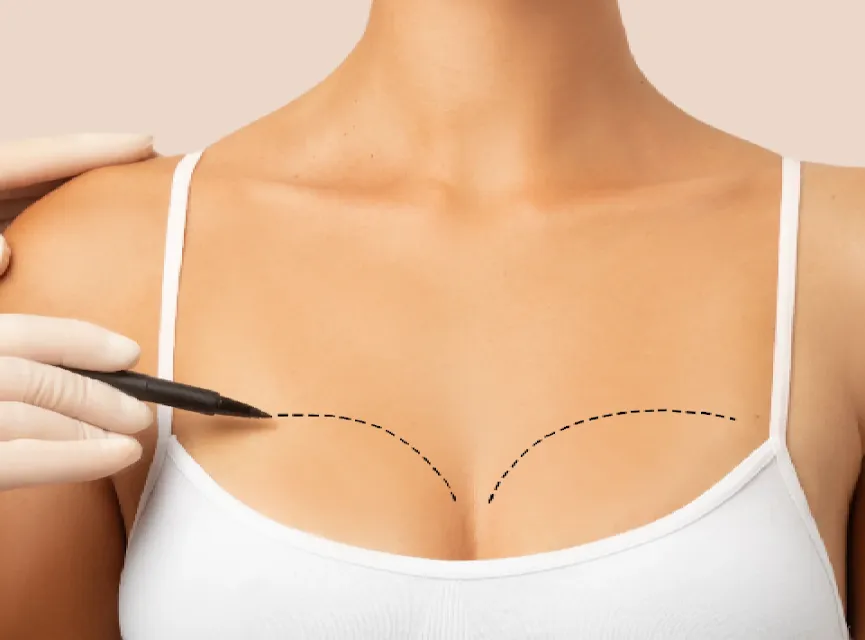
Does a Breast Lift Make Breasts Larger?
A breast lift itself does not significantly increase breast volume.
Higher Position
Lifting the breast can make it appear more elevated and structured.
Improved Projection
Repositioning existing tissue may create a more defined profile.
Upper-Breast Appearance
A lifted position can sometimes make the upper breast look fuller, but this is different from adding actual volume.
Breast Augmentation
Patients seeking a noticeable increase in size may discuss breast augmentation, which can sometimes be performed together with a lift.
Why Can Breast Size Appear Different After a Lift?
Although the actual volume may change little, reshaping can alter the way the breasts look.
Higher Breast Position
A higher position can change the overall silhouette.
Tighter Skin Envelope
Removing excess skin can make the breast appear more compact and defined.
Improved Projection
Repositioned tissue may extend forward differently from before surgery.
Nipple Repositioning
Moving the nipple and areola to a more suitable position can influence overall breast proportions.
Can a Breast Lift Reduce Sagging Without Reducing Size?
Yes. For many patients, the primary goal is to improve breast position while preserving as much existing breast tissue as appropriate.
Preserving Breast Tissue
A lift can be planned around the patient's existing tissue and desired outcome.
Removing Skin Rather Than Large Tissue Volumes
When significant reduction is not required, the focus can remain on removing excess skin and reshaping the breast.
Maintaining Proportion
The breast can be repositioned according to the patient's chest structure and natural body proportions.
Can Breast Lift Surgery and Breast Augmentation Be Combined?
A lift and augmentation address different concerns.
Breast Lift
Mastopexy primarily addresses sagging, loose skin, and breast position.
Breast Augmentation
Augmentation is intended to increase breast volume and can improve fullness.
Combined Treatment
Some patients may benefit from combining the two procedures when they want both a higher breast position and additional volume.
Individual Assessment
The suitability of a combined procedure depends on breast anatomy, skin quality, tissue volume, and personal goals.
Can Breast Lift Surgery and Breast Reduction Be Combined?
A breast reduction removes breast tissue as well as excess skin.
Reducing Breast Weight
Reduction can decrease the amount of breast tissue when breasts are excessively large or heavy.
Lifting the Breasts
The remaining tissue is repositioned to create a higher breast position.
Improving Shape
Reduction and lifting can be performed together to create a smaller, lifted breast contour.
Personal Goals
The appropriate approach depends on desired size, existing breast volume, and individual anatomy.
Does Breast Lift Surgery Change Cup Size?
Cup size is not a precise medical measurement and varies between bra brands and designs.
Changes in Shape
A lift can change the breast contour and how bras fit.
Changes in Position
A higher breast position may alter the way breast tissue sits inside clothing.
Tissue Removal
If tissue is removed, some change in volume may occur.
Individual Variation
The final bra size cannot be reliably predicted because breast shape, tissue distribution, and swelling also influence fit.
Can a Breast Lift Restore Breast Shape After Pregnancy?
Pregnancy can cause changes in both breast volume and skin elasticity.
Stretched Skin
Breast enlargement during pregnancy can stretch the skin.
Reduced Fullness
Breast volume may change after breastfeeding.
Sagging
The breast may sit lower after pregnancy.
Reshaping
A lift can remove selected excess skin and reposition existing breast tissue without necessarily increasing breast volume.People considering surgery after pregnancy should discuss timing with a qualified surgeon, particularly if future pregnancy is planned.
Can a Breast Lift Change Breast Size After Weight Loss?
Significant weight loss may reduce breast volume and leave excess skin.
Loss of Fatty Tissue
Weight loss can reduce breast fullness.
Loose Skin
The skin may remain stretched after substantial weight reduction.
Lower Position
Reduced volume and excess skin can contribute to sagging.
Customized Treatment
A lift can remove excess skin and reposition tissue, while augmentation may be discussed if additional volume is desired.
Signs You Should Pay Attention To
Changes in breast size should not always be assumed to be related to cosmetic concerns.
Sudden Size Change
A rapid unexplained change in breast size should be medically evaluated.
New Breast Lump
A newly discovered lump should receive appropriate professional assessment.
Unusual Nipple Discharge
Unexpected or bloody nipple discharge should be medically assessed.
Skin Dimpling
Persistent dimpling, thickening, redness, or other unusual skin changes require evaluation.
Sudden Nipple Retraction
A newly inverted or retracted nipple should be discussed with a healthcare professional.
Checkpoint: What Should You Know About Breast Size and Lifting?
Understanding the difference between lifting, augmentation, and reduction can help set realistic expectations.
Lift Versus Augmentation
A lift changes position and shape, while augmentation adds volume.
Lift Versus Reduction
A reduction removes breast tissue to decrease size while also lifting the remaining breast.
Existing Tissue
The amount and distribution of natural breast tissue influence the final shape.
Skin Elasticity
Skin quality affects how the breast responds to lifting and reshaping.
Future Changes
Pregnancy, aging, and significant weight fluctuations can alter breast size and position after surgery.
Dynamic Life Clinic: A Considered Choice for Breast Lift Care
For individuals in Dubai comparing breast surgery providers, Dynamic Life Clinic can be considered among the options for personalized breast lift planning. A consultation can assess breast size, shape, skin quality, nipple position, and individual aesthetic preferences before deciding whether a lift alone or a combined procedure is appropriate.A quality-focused provider should prioritize qualified surgical care, informed consent, realistic expectations, appropriate recovery guidance, and postoperative follow-up.
How Is Breast Lift Surgery Customized?
Breast lift surgery is not performed using one identical technique for every patient.
Degree of Sagging
The extent of breast ptosis influences the amount of skin and tissue reshaping required.
Breast Volume
Existing volume helps determine whether a lift alone may meet the patient's goals.
Skin Quality
Elasticity and skin laxity affect surgical planning.
Nipple Position
Nipple and areola placement is considered when creating the new breast contour.
Desired Outcome
Some patients want to preserve volume, while others may want reduction or additional fullness.
Can a Breast Lift Improve Breast Firmness?
A lift can make the breasts appear firmer without necessarily changing their volume significantly.
Tighter Skin
Removing excess skin can create a more compact outer contour.
Repositioned Tissue
Existing breast tissue is moved into a higher position.
Improved Definition
The lifted contour can make the breasts look more structured.A breast lift does not stop future changes caused by aging, pregnancy, or major weight fluctuations.
How Can Breast Lift Scars Be Managed?
Scarring is an expected part of breast lift surgery.
Incision Planning
The incision pattern depends on the degree of lifting required and individual anatomy.
Wound Care
Following postoperative instructions can support appropriate healing.
Scar Care
Once incisions have healed, recommended scar-management measures may help improve their appearance.
Sun Protection
Protecting healing scars from excessive sunlight can help reduce unwanted darkening.
Scar Maturation
Scars generally change gradually and may become less noticeable with time, although they remain permanent.
What Is Recovery Like After Breast Lift Surgery?
Recovery differs between patients and depends on the surgical technique.
Early Healing
Swelling, bruising, tightness, and temporary discomfort may occur.
Activity Restrictions
Heavy lifting and strenuous exercise may need to be limited during the early recovery period.
Follow-Up Visits
Postoperative appointments help monitor healing and breast position.
Gradual Results
The final breast shape becomes clearer as swelling decreases and tissues settle.
Can Breast Lift Results Last?
A breast lift can provide long-lasting improvement, but it does not permanently prevent changes in breast size or position.
Aging
Skin elasticity naturally decreases over time.
Pregnancy
Future pregnancy can change breast volume and shape.
Weight Changes
Significant weight gain or loss can affect breast volume and skin.
Lifestyle
Maintaining a relatively stable weight and following postoperative guidance may help support the appearance of the results.
Who May Benefit From a Breast Lift?
Potential candidates may include adults who:
- Have noticeable breast sagging
- Have stretched or loose breast skin
- Notice downward-pointing nipples
- Want to improve breast position
- Have experienced changes after pregnancy or weight loss
- Have relatively stable body weight
- Are physically healthy for elective surgery
- Have realistic expectations about breast size and shape
Conclusion
Breast lift surgery mainly changes breast position and shape, rather than significantly increasing or reducing breast size. Removing excess skin and repositioning existing tissue can create a higher, more defined breast contour.Patients who want larger breasts may discuss augmentation, while those seeking a substantial reduction may consider breast reduction. These procedures can sometimes be combined with a lift when appropriate.Because breast anatomy, skin elasticity, tissue volume, and personal goals vary, an individual consultation is important for determining the most suitable approach and setting realistic expectations.
