Can Salicylic Acid Peeling Reduce Acne Scar Appearance?
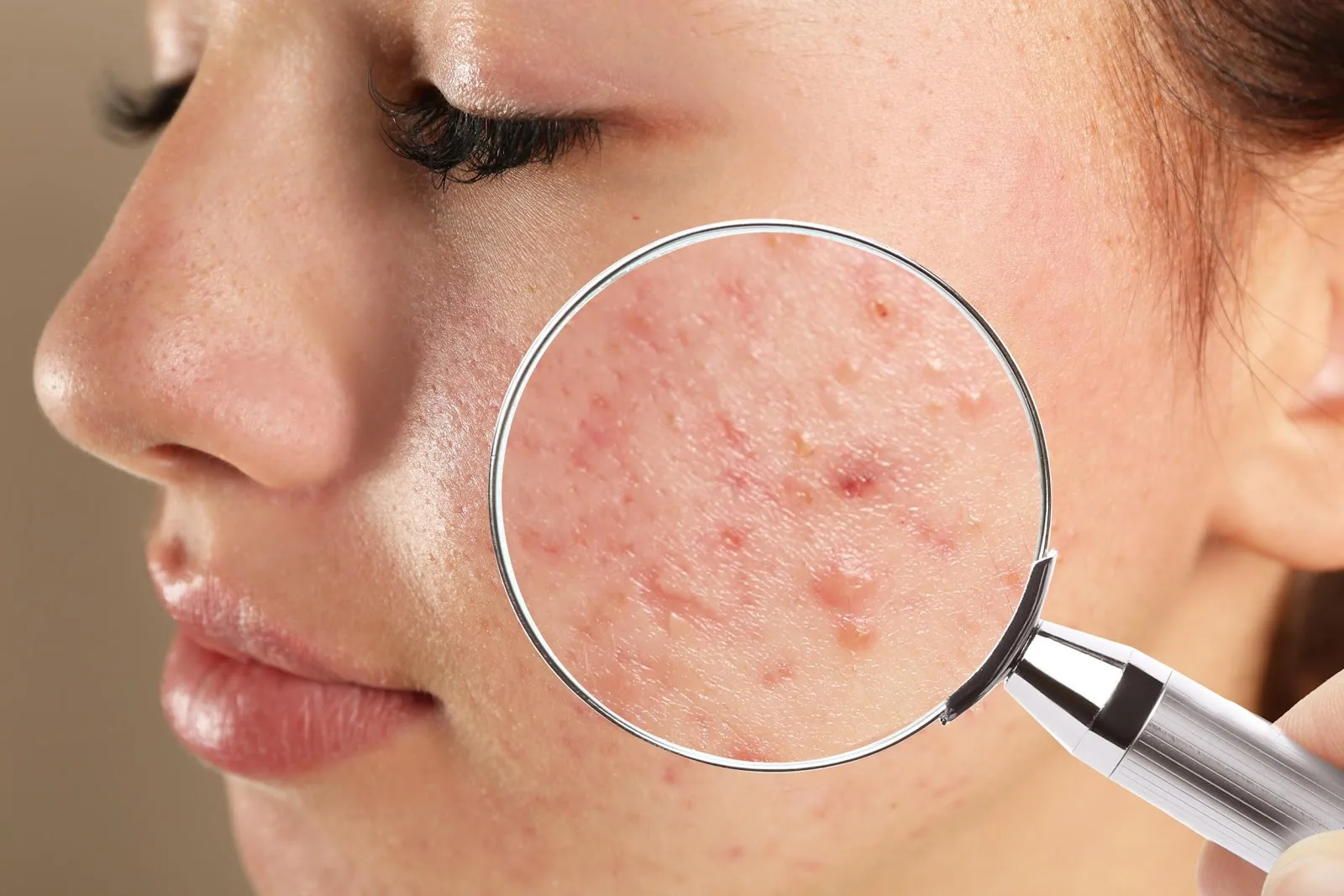
Acne scars can leave the skin with uneven texture, discoloration, and visible marks even after active breakouts have improved. Salicylic Acid Peeling in Dubai may help improve the appearance of certain post-acne concerns by exfoliating dead skin cells, reducing pore congestion, and supporting a smoother-looking skin surface. Salicylic acid is a beta hydroxy acid (BHA) that is particularly useful for oily and acne-prone skin. However, its effect depends on the type and depth of the acne scar, as superficial marks may respond differently from deeper scars.
How Does Salicylic Acid Peeling Affect Acne Scars?
Salicylic acid helps loosen dead skin cells and excess oil that can accumulate on the skin.This controlled exfoliation can make the surface look smoother and more even.For people with mild post-acne discoloration or superficial unevenness, improving the outer layers of the skin may make marks appear less noticeable.However, deeper acne scars involve changes in the underlying skin structure and generally cannot be corrected through surface exfoliation alone.
What Types of Acne Marks Can It Help?
Not every mark left after acne is technically a scar.Some people develop post-inflammatory hyperpigmentation, while others develop red or brown marks that gradually fade over time.Salicylic acid peeling may help improve the appearance of certain superficial discoloration concerns by supporting exfoliation.It may also help with the rough texture associated with clogged, acne-prone skin.The response depends on the individual's skin type, pigmentation pattern, and underlying cause of the mark.
Can It Improve Atrophic Acne Scars?
Atrophic acne scars are depressed scars caused by a loss or disruption of collagen in the skin.Common examples include:
- Ice pick scars
- Boxcar scars
- Rolling scars
These scars extend deeper into the skin and are not simply a buildup of dead cells on the surface.Salicylic acid peeling may improve the surrounding skin texture, but it generally cannot fully correct deeper depressions through exfoliation alone.More specialized procedures may be considered for significant atrophic scarring after professional assessment.
Can Salicylic Acid Peeling Help With Post-Acne Dark Marks?
Yes, it may help improve the appearance of some dark marks left after acne.Controlled exfoliation can help remove some pigmented surface cells and encourage a more even-looking complexion.However, pigmentation can have several causes, and results vary.Sun exposure can also make post-inflammatory hyperpigmentation more noticeable, making daily sun protection an important part of managing discoloration.
Does It Help With Acne Scars Caused by Inflammation?
Salicylic acid can be useful for acne-prone skin because it helps manage oil and pore congestion.Reducing congestion may help support clearer-looking skin and reduce some of the factors that contribute to recurring breakouts.This can be useful when new acne is contributing to additional marks.However, existing deep scars are different from active acne and usually require a treatment approach specifically aimed at scar remodeling.
How Does Exfoliation Improve Uneven Skin Texture?
Dead skin cells can accumulate on the surface and make the complexion feel rough or uneven.Salicylic acid helps loosen these cells and supports their removal.As surface buildup decreases, the skin may feel smoother and look more refined.This improvement in surface texture can make mild acne-related unevenness less noticeable.
How Quickly Can Acne Scar Appearance Improve?
The timeline varies significantly.Some people may notice smoother-feeling skin after treatment and recovery, while discoloration and more persistent textural concerns may require several treatments.Deeper scars generally take longer to address and may not respond significantly to a superficial chemical peel alone.It is important to assess progress over time rather than expecting all acne marks to disappear after one session.
How Many Sessions May Be Needed?
The number of treatments depends on the type of acne concern, skin sensitivity, peel strength, and individual response.A professional may recommend a series of appropriately spaced sessions when repeated exfoliation is suitable.Treatment should not be performed too frequently simply to accelerate results.Allowing the skin to recover between sessions helps reduce unnecessary irritation.
Can It Prevent New Acne Scars?
Salicylic acid peeling may help manage some factors associated with acne, such as clogged pores and excess oil.Reducing recurring breakouts may indirectly reduce the development of new post-acne marks.However, it cannot guarantee that future acne scars will not develop.Managing active acne early and avoiding picking or squeezing lesions can also help reduce the risk of additional marks and scarring.
Is It Suitable for Oily and Acne-Prone Skin?
Salicylic acid is often used for oily and acne-prone skin because it is oil-soluble.It can work within congested pores and help loosen excess sebum and dead skin cells.For people whose post-acne concerns are accompanied by ongoing congestion, this may make salicylic acid peeling a useful part of a broader skincare plan.The treatment still needs to be adjusted according to skin sensitivity.
Can Sensitive Skin Have a Salicylic Acid Peel?
Sensitive skin requires additional caution with chemical exfoliation.Salicylic acid may be suitable for some people with sensitive skin, but others may experience significant dryness, redness, or irritation.A professional should evaluate the current condition of the skin before treatment.Peeling should generally be avoided or postponed when the skin is actively irritated, damaged, or unusually reactive.
What Happens During the Treatment?
A professional salicylic acid peel generally starts with cleansing and preparing the skin.The peel is then applied using a controlled technique based on the selected treatment plan.The concentration and exposure time may vary depending on the skin's condition and the intended purpose.After the appropriate treatment period, the peel is removed or managed according to the professional protocol.Soothing and protective products may be applied afterward.
What Can You Expect After a Peel?
Temporary effects are possible after treatment.These may include:
- Mild redness
- Dryness
- Tightness
- Sensitivity
- Flaking
- Peeling
- Temporary irritation
Visible peeling is not guaranteed and should not be considered the only indication of treatment effectiveness.Gentle aftercare can help support the skin while it recovers.
How Should You Care for Acne-Prone Skin After Treatment?
After a chemical peel, the skin may be more sensitive than usual.General aftercare may include:
- Use a gentle cleanser.
- Apply a suitable moisturizer.
- Avoid physical scrubs.
- Do not pick or pull peeling skin.
- Avoid strong exfoliating products unless advised.
- Use broad-spectrum sunscreen.
- Follow the specific instructions provided by your skincare professional.
Sun protection is especially important when treating post-acne discoloration.
Can Salicylic Acid Peeling Remove Deep Acne Scars?
No treatment should be expected to completely remove deep acne scars through surface exfoliation alone.Deep scars involve structural changes in the skin.Depending on the scar type, treatments such as microneedling, laser resurfacing, subcision, or other professionally selected procedures may be considered.The appropriate option depends on the depth, shape, location, and characteristics of the scars.
What Factors Affect Results?
Several factors can influence the outcome of treatment.
Scar Type
Superficial marks may respond differently from deep atrophic scars.
Skin Type
Oily, dry, sensitive, and combination skin can respond differently to chemical exfoliation.
Pigmentation
The type and depth of discoloration can affect how quickly it improves.
Treatment Plan
Appropriate concentration, application, and spacing between sessions are important.
Aftercare
Gentle skincare and consistent sun protection can help support recovery.
Conclusion
Salicylic acid peeling may reduce the appearance of certain superficial acne-related marks by exfoliating dead skin cells, improving congestion, and supporting a smoother-looking complexion. It can be particularly useful for oily and acne-prone skin where clogged pores contribute to uneven texture.However, acne scars vary considerably. Dark post-acne marks and mild surface unevenness may respond differently from deep ice pick, boxcar, or rolling scars. Deeper scars generally require treatments designed to address changes beneath the skin.A professional assessment can help identify the type of acne scar and determine whether salicylic acid peeling is appropriate. A carefully planned treatment schedule, gentle aftercare, and daily sun protection can also support more even-looking skin.
Frequently Asked Questions
Can Salicylic Acid Peeling reduce acne scar appearance?
It may improve the appearance of superficial acne marks, uneven texture, and some post-acne discoloration. Deeper scars may require more specialized treatments.
Can Salicylic Acid Peeling remove deep acne scars?
No. Deep acne scars involve structural changes beneath the skin and generally cannot be corrected through surface exfoliation alone.
Does it help with dark marks after acne?
It may help improve the appearance of some post-inflammatory dark marks through controlled exfoliation, although results vary.
How many Salicylic Acid Peeling sessions are needed for acne scars?
The number varies according to the type of mark, skin condition, peel strength, and individual response. A professional can recommend an appropriate treatment plan.
Can Salicylic Acid Peeling prevent new acne scars?
It may help manage pore congestion and some acne concerns, potentially reducing factors that contribute to new marks. It cannot guarantee that future scarring will be prevented.
Is Salicylic Acid Peeling suitable for acne-prone skin?
It may be suitable for oily and acne-prone skin because salicylic acid can help loosen oil and dead skin cell buildup inside pores.
Can I use strong acne products after a salicylic acid peel?
Strong exfoliating or potentially irritating products may need to be paused temporarily. Follow the aftercare instructions provided by your skincare professional.
Does Salicylic Acid Peeling improve acne skin texture?
Yes, it may improve superficial roughness and uneven texture by removing accumulated dead skin cells and reducing pore congestion.
